

MG Antibiotic Risk Calculator
Assess Your Antibiotic Safety Risk
This tool helps you understand the risk of worsening myasthenia gravis symptoms when taking antibiotics. Input your specific risk factors to see personalized recommendations based on latest medical evidence.
When you have myasthenia gravis (MG), even a simple infection can become dangerous-not just because of the illness itself, but because the antibiotics used to treat it might make your muscle weakness worse. This isn’t theoretical. It’s happened to real people. Some antibiotics can interfere with the way nerves talk to muscles, and if your body already struggles with that connection due to MG, the result can be life-threatening.
What Happens When Antibiotics Hit the Neuromuscular Junction
In a healthy person, nerve signals release acetylcholine at the neuromuscular junction. That chemical binds to receptors on the muscle, telling it to contract. In MG, your immune system attacks those receptors, so fewer are available. That’s why you get drooping eyelids, trouble swallowing, or weak arms and legs. Now add certain antibiotics into the mix. Some of them don’t just kill bacteria-they also block acetylcholine release or bind to the remaining receptors. It’s like trying to start a car with a weak battery, then turning off the alternator. The result? Muscle weakness spikes fast. In rare but serious cases, this leads to myasthenic crisis, where breathing muscles fail and you need emergency ventilation.Which Antibiotics Are Riskiest?
Not all antibiotics are created equal when it comes to MG. The risk varies widely by class.- Aminoglycosides (gentamicin, tobramycin, neomycin): These are the worst offenders. They directly block muscle receptors and are often avoided entirely in MG patients-even for serious infections like sepsis.
- Fluoroquinolones (ciprofloxacin, levofloxacin, moxifloxacin): These once carried FDA black box warnings for MG patients. Studies show a 1.6% to 2.4% risk of worsening symptoms, depending on the drug. But new data suggests this risk may be lower than previously thought.
- Macrolides (azithromycin, clarithromycin, erythromycin): Also flagged in past guidelines, with around a 1.5% exacerbation rate. Still, many doctors now consider them usable with caution.
- Penicillins (amoxicillin, ampicillin, penicillin V): These are the safest bet. A 2024 study of over 900 antibiotic courses in MG patients found only a 1.3% risk of worsening symptoms. Many experts now recommend them as first-line when appropriate.
- Tetracyclines, trimethoprim-sulfamethoxazole, linezolid: These fall in the middle. Not outright dangerous, but require close monitoring.
One key point: telithromycin (a macrolide-like drug) is still absolutely contraindicated. It was pulled from the U.S. market in 2007 due to liver toxicity and severe MG exacerbations, but it’s still referenced in older guidelines-and some patients may have been prescribed it abroad.
New Evidence Changes the Game
For years, neurologists told MG patients to avoid fluoroquinolones and macrolides like the plague. But a 2024 retrospective study from Cleveland Clinic, involving 365 patients and 918 antibiotic exposures, turned that advice on its head. The study found that the overall risk of MG worsening after taking fluoroquinolones or macrolides was about 2%. That’s only slightly higher than the 1.3% risk seen with amoxicillin. Statistically, it wasn’t even significant. That means the fear of these drugs may have been overblown. Lead researcher Dr. S. Pinar Uysal said it best: “These results provide reassurance that the exacerbation risk is not high.” But-and this is crucial-this doesn’t mean you can take any antibiotic without thinking. The real danger isn’t the drug alone. It’s the combination of the drug + your personal risk factors.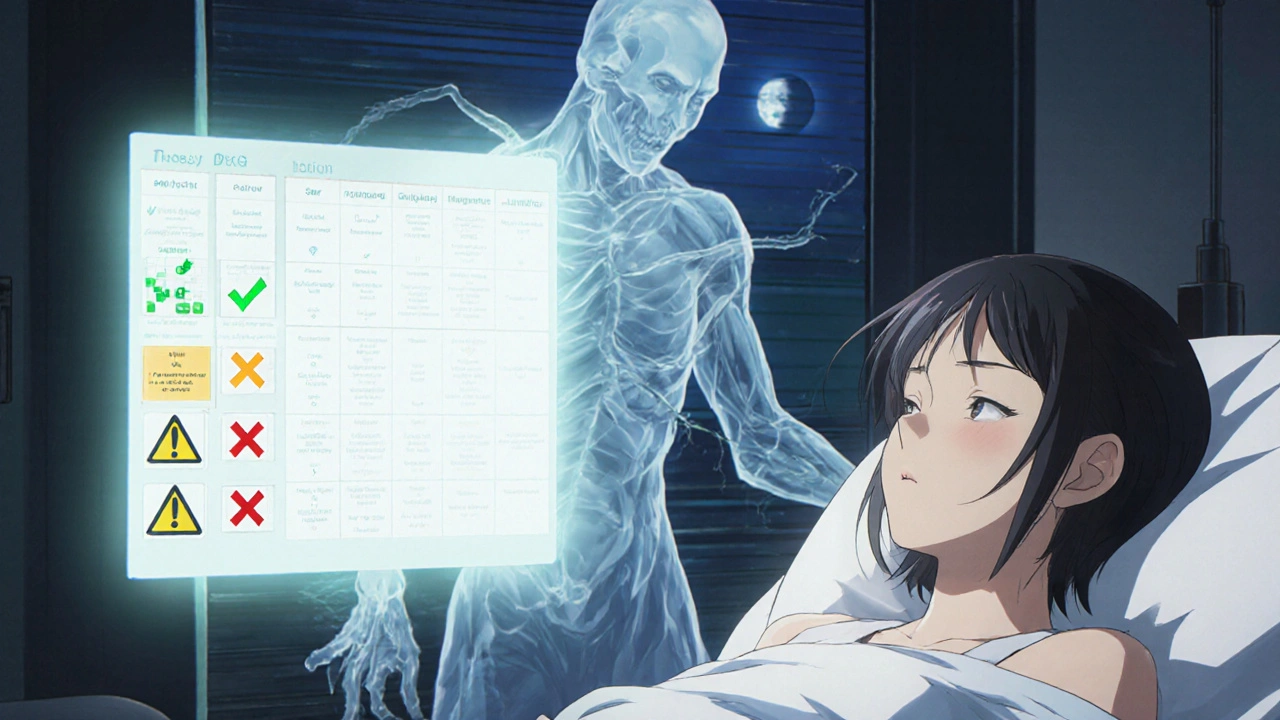
Who’s Most at Risk?
The Cleveland Clinic study didn’t just look at drugs. It looked at people. And it found three major red flags that make MG patients far more vulnerable to antibiotic-triggered worsening:- Recent hospitalization or ER visit for MG in the past six months: This was the strongest predictor. If your MG has been unstable recently, your body is already on edge.
- Female sex: Women with MG had a statistically higher risk of exacerbation after antibiotics.
- Diabetes: Poorly controlled blood sugar may worsen nerve signaling, compounding the effect of antibiotics.
That means a 65-year-old woman with MG who was hospitalized last month for breathing trouble and has type 2 diabetes? She needs a much more careful antibiotic plan than a 40-year-old man whose MG has been stable for three years.
Infection vs. Antibiotic: The Real Enemy
Here’s the twist: in 88.2% of the cases where MG worsened after antibiotics, the infection itself was the main culprit-not the drug. Think about it. If you have pneumonia, your body is under massive stress. Inflammation, fever, low oxygen-all of that can trigger an MG flare. So if you avoid a necessary antibiotic because you’re afraid of side effects, you might be letting the infection do more damage than the drug ever could. That’s why experts say: Don’t delay treating an infection. Instead, choose the safest antibiotic possible for the job.What Should You Do?
If you have MG and need an antibiotic, here’s your action plan:- Always talk to your neurologist or MG specialist before starting any antibiotic. Even over-the-counter ones. Some cough syrups contain pseudoephedrine or other stimulants that can worsen MG.
- Ask: Is this infection serious enough to need an antibiotic? Many sinus or ear infections resolve on their own. Don’t pressure your doctor to prescribe.
- Push for penicillins first. Amoxicillin, ampicillin, and penicillin V are still the gold standard for safety in MG.
- If a fluoroquinolone or macrolide is needed, monitor closely. Watch for new or worsening weakness in your arms, legs, eyelids, or breathing. Call your doctor immediately if swallowing becomes harder or your voice gets weaker.
- Get your kidney function checked. Many antibiotics are cleared by the kidneys. If your function is low, even safer drugs can build up to dangerous levels.
- Make sure your pharmacy knows you have MG. Pharmacists can catch dangerous interactions before you even leave the store.

What About Antibiotics for Minor Infections?
You don’t need antibiotics for every sniffle. Viral infections-like colds or flu-won’t respond to antibiotics at all. Using them anyway increases your risk of side effects and antibiotic resistance. If you have a mild infection, focus on rest, fluids, and symptom relief. Use acetaminophen for fever. Try saline nasal rinses. If symptoms don’t improve in 5-7 days, or if you develop a high fever, chest pain, or trouble breathing, then it’s time to see your doctor.What’s the Bottom Line?
The old rule-“avoid all fluoroquinolones and macrolides in MG”-is outdated. New data shows the risk is lower than we thought. But that doesn’t mean you can be careless. The truth is: MG patients need antibiotics just like anyone else. But they need them smarter. The safest approach is to treat infections quickly, use the lowest-risk antibiotic that works, and monitor closely-especially if you’ve had recent MG flares, are female, or have diabetes. Your neurologist, pharmacist, and primary care provider should all be on the same page. Keep a list of your MG medications and any antibiotics you’ve taken before. Note whether they made your symptoms worse. That history saves lives.What If I’m Already on Immunosuppressants?
Many MG patients take steroids, azathioprine, mycophenolate, or rituximab. These drugs suppress your immune system. That means you’re more likely to get infections-and harder to fight them off. This creates a vicious cycle: you need antibiotics to treat infections, but antibiotics can worsen your MG, which might make you need more immunosuppressants, which makes you more prone to infection. That’s why prevention matters. Get your flu shot. Ask about pneumococcal and COVID boosters. Wash your hands. Avoid crowds during peak cold and flu season. Your best defense isn’t a stronger antibiotic-it’s avoiding the infection in the first place.Can I take amoxicillin if I have myasthenia gravis?
Yes, amoxicillin is considered one of the safest antibiotics for people with myasthenia gravis. A 2024 study of over 900 antibiotic courses in MG patients showed only a 1.3% risk of worsening symptoms with penicillins like amoxicillin. It’s often the first choice when treating common infections like sinusitis or strep throat.
Are fluoroquinolones completely unsafe for MG patients?
Not completely. While fluoroquinolones like ciprofloxacin and levofloxacin have historically been avoided, newer research shows the risk of worsening MG is low-about 2%. For stable MG patients with no recent flares, these drugs can be used with careful monitoring. But avoid them if you’ve been hospitalized for MG in the last six months, have diabetes, or are female.
What should I do if I feel weaker after starting an antibiotic?
Call your neurologist or go to the emergency room immediately. Signs include sudden difficulty swallowing, slurred speech, shortness of breath, or weakness in your arms or legs that gets worse quickly. This could be a myasthenic crisis, which is a medical emergency requiring urgent treatment.
Is azithromycin safe for myasthenia gravis?
Azithromycin carries a small risk of worsening MG symptoms-about 1.5% based on recent studies. It’s not banned, but it’s not first-line. If you need a macrolide and have stable MG, your doctor may prescribe it with close monitoring. Avoid it if you’ve had recent MG flares, are female, or have diabetes.
Should I avoid all antibiotics if I have myasthenia gravis?
No. Untreated infections are far more dangerous than the antibiotics used to treat them. The goal isn’t to avoid antibiotics-it’s to choose the safest one for your situation. Penicillins are preferred. Higher-risk antibiotics can be used if needed, with monitoring. Never delay treatment for a serious infection.


