
What Is Thyroid Eye Disease?
Thyroid Eye Disease (TED), also called Graves’ ophthalmopathy, isn’t just an eye problem-it’s an autoimmune condition that targets the tissues behind your eyes. It happens when your immune system, already confused by Graves’ disease, starts attacking fat and muscle tissue around your eyes. This causes swelling, inflammation, and sometimes permanent changes like bulging eyes or double vision. About half of people with Graves’ disease get TED, but it can also show up in those with normal or low thyroid levels. It’s more common in women, especially between 40 and 60, and smoking makes your risk jump by nearly eight times.
Common Symptoms You Can’t Ignore
If your eyes feel gritty, sore, or unusually red, don’t brush it off as allergies or dryness. These are early signs. About 78% of people with TED report a gritty, sandy feeling in their eyes. Light sensitivity hits 65%, and nearly half say their eyelids are puffy or red. About one in three experience noticeable bulging of the eyes-called proptosis. Double vision shows up in nearly 3 out of 10 cases, especially when looking up or to the side. Pain behind the eyes, especially with movement, is another red flag. Most cases affect both eyes, but 1 in 10 people have symptoms in just one. These symptoms usually flare up over weeks or months, then settle into a slower, more stable phase. If left untreated, the inflammation can permanently stretch eye muscles or compress the optic nerve, threatening vision.
How Doctors Measure Severity
Not all TED is the same. Doctors use something called the Clinical Activity Score (CAS) to tell if the disease is still active or calming down. A score of 3 or higher means inflammation is still going strong, and you need treatment fast. Imaging like CT or MRI scans show which eye muscles are swollen-usually the bottom one (inferior rectus) first, then the inner one (medial rectus). These scans help predict how the disease might progress and guide treatment choices. The goal isn’t just to feel better-it’s to stop damage before it becomes permanent. That’s why timing matters more than almost anything else.
Steroids: The Traditional First Line
For moderate-to-severe TED, intravenous steroids are still the go-to starting point. The most common treatment is a series of high-dose methylprednisolone infusions-500 mg once a week for six weeks, then 250 mg for another six weeks. This approach works for 60 to 70% of patients, reducing swelling, redness, and double vision. Oral prednisone is an option for milder cases, but it’s less effective and comes with heavier side effects: weight gain, high blood sugar, bone thinning, and a high chance of relapse after stopping. The European guidelines warn against giving more than 4.5 to 5 grams total over the course of treatment, because too much can damage the liver. Even when it works, steroids are a blunt tool-they suppress your whole immune system, not just the part causing trouble. That’s why many patients trade one set of problems for another.
Biologics: A New Era in TED Treatment
Enter teprotumumab (Tepezza®). Approved by the FDA in 2020, it’s the first drug designed to target the root cause of TED, not just calm inflammation. It blocks the IGF-1 receptor, which is overactive in TED orbital tissue. In the OPTIC trial, 71% of patients saw their eyes recede by at least 2 millimeters-compared to just 20% on placebo. Double vision improved in nearly 6 out of 10, versus 1 in 4 with dummy treatment. The treatment is given as eight infusions over 24 weeks. It’s not cheap-each course costs about $360,000 in the U.S.-but many patients report life-changing results. One Reddit user shared that after eight infusions, their eye bulging dropped from 24mm to 20mm. That might not sound like much, but it meant they could finally drive again without double vision.
Other Biologics and What’s Coming
Teprotumumab isn’t the only option on the horizon. Satralizumab (Enspryng®), an anti-IL-6 drug, got FDA approval in 2023 for steroid-resistant TED. It’s given as a monthly shot under the skin, which is easier than IV infusions. Other drugs like rituximab and tocilizumab are being tested, but evidence is still limited. Researchers are also testing combinations-like adding selenium to teprotumumab. Early results from the TOPAZ trial show 82% of patients responded to the combo, better than teprotumumab alone. A biosimilar version of teprotumumab is expected by 2025, which could cut costs by 30 to 40%. And scientists are hunting for genetic markers that could predict who’s most likely to get TED or respond to treatment. Within five years, we might be able to tailor therapy based on your DNA.
What About Surgery?
Surgery isn’t the first step-it’s the last. Orbital decompression, which removes bone to give swollen tissue more room, can reduce bulging by 2 to 5 millimeters. Strabismus surgery fixes misaligned eyes for double vision. Eyelid surgery corrects retraction. But all of these are done only after the disease has been inactive for at least six months. Why? Because if you operate while inflammation is still active, you risk making things worse. Surgery carries risks: 15% of patients develop new or worse double vision afterward, and 0.5% face permanent vision loss. That’s why doctors push hard to treat with drugs first. If you’re still struggling after biologics or steroids, surgery can be a powerful fix-but it’s irreversible.
Practical Management: What You Can Do Now
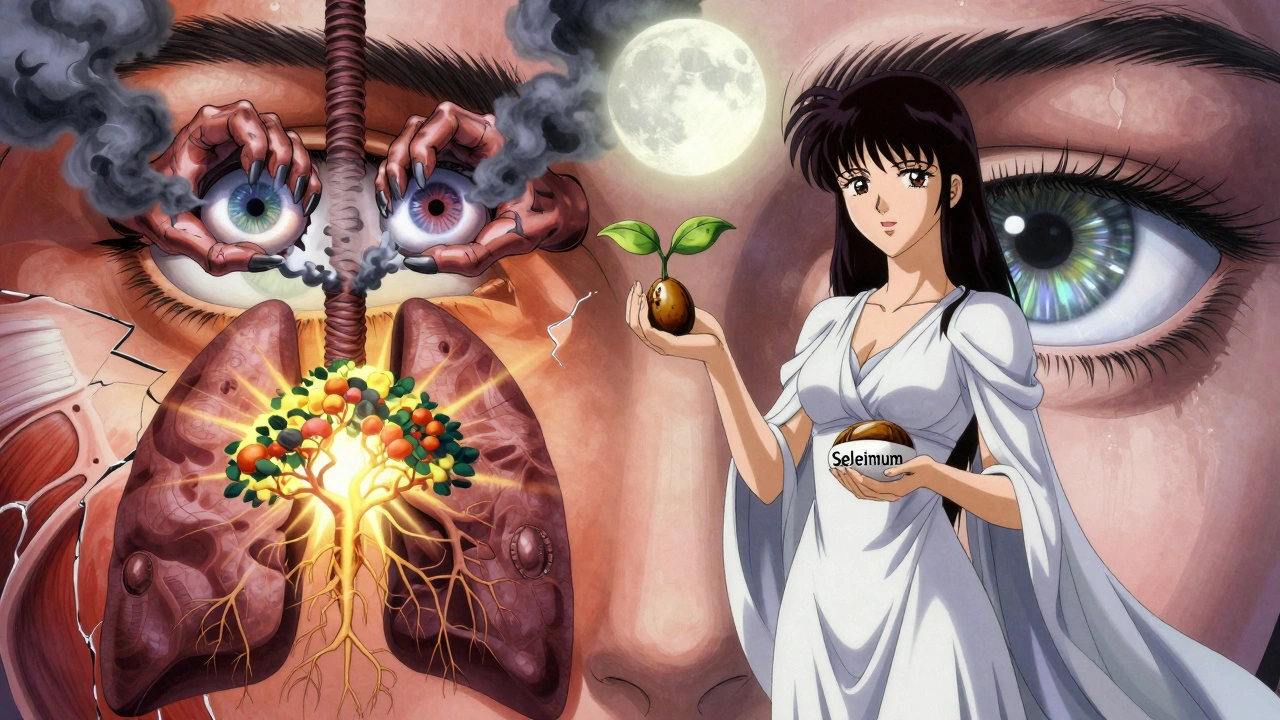
For mild TED, simple steps help a lot. Preservative-free artificial tears, used four times a day, improve symptoms in 85% of people within a month. Sleeping with your head elevated reduces morning puffiness. Quitting smoking is the single most effective thing you can do to slow progression. Selenium supplements (200 mcg daily) show a small but real benefit in mild cases, improving quality of life scores slightly. Prism glasses can help with double vision if the misalignment is under 15 prism diopters. Beyond that, surgery becomes the only option. And if you’re on radioactive iodine for Graves’ disease, ask your doctor about taking steroids at the same time-it cuts your TED risk in half.
Access and Cost: The Hidden Battle
Even with proven treatments, many patients hit walls. Insurance companies often deny teprotumumab, with 42% reporting initial rejections. The average wait for approval is 47 days. Medicaid patients face barriers at twice the rate of those with private insurance. One patient on PatientsLikeMe said the cost nearly bankrupted them, even with insurance. Amgen, which bought Horizon Therapeutics (the maker of Tepezza), has faced criticism for pricing. But without the drug, many patients face permanent vision changes, lost jobs, and depression. The fight isn’t just medical-it’s financial and systemic.
Why Timing Is Everything
Thyroid Eye Disease has two phases: active and inactive. In the active phase, inflammation is raging. That’s when steroids and biologics work best. Once it’s inactive-usually after 1 to 3 years-the tissue turns scarred and stiff. That’s when surgery is needed. Delaying treatment by even a few months can mean the difference between recovery and permanent damage. If you’ve been diagnosed with Graves’ disease, get an eye exam right away. If you notice any eye changes, even mild ones, don’t wait. Early action saves vision.
Can thyroid eye disease go away on its own?
Yes, but not always safely. TED usually runs its course over 1 to 3 years, moving from active inflammation to a stable, inactive phase. During that time, symptoms like redness and swelling often improve. But without treatment, many people are left with permanent changes: bulging eyes, double vision, or eyelid retraction. Waiting for it to resolve on its own risks irreversible damage. Early treatment during the active phase can prevent those outcomes.
Do steroids cure thyroid eye disease?
No, steroids don’t cure TED-they suppress inflammation during the active phase. Intravenous steroids like methylprednisolone reduce swelling and improve symptoms in 60-70% of patients. But after stopping treatment, about 25-30% of people see symptoms return. Steroids manage the disease, not eliminate it. That’s why newer biologics like teprotumumab are so important-they target the underlying cause and may offer longer-lasting results.
Is teprotumumab worth the cost?
For many, yes. At $360,000 per course, it’s expensive. But for patients with moderate-to-severe TED, it can reduce eye bulging by 2 mm or more in 7 out of 10 cases, and improve double vision in over half. That means regaining independence-driving, reading, working. Many patients report life-changing results. Insurance often denies it at first, but appeals can succeed, especially with doctor support. The long-term cost of untreated TED-multiple surgeries, lost income, vision loss-can be far higher.
Does smoking really make thyroid eye disease worse?
Absolutely. Smoking increases your risk of developing TED by nearly eight times. It also makes symptoms more severe and reduces the chance that treatments like steroids or biologics will work. Quitting doesn’t reverse existing damage, but it stops the disease from getting worse. If you have Graves’ disease or TED, quitting smoking is the most important thing you can do for your eyes.
Can I get biologics if I have mild TED?
Not usually. Biologics like teprotumumab are approved only for moderate-to-severe active TED. For mild cases, doctors recommend artificial tears, selenium supplements, and lifestyle changes like quitting smoking. Starting biologics too early isn’t recommended because the risks and cost outweigh the benefits. Treatment is always matched to severity-doctors don’t use a sledgehammer when a hammer will do.
How do I know if my TED is active or inactive?
Your doctor uses the Clinical Activity Score (CAS), which checks for symptoms like redness, swelling, pain with eye movement, and new onset of double vision. A score of 3 or higher means active disease. Blood tests for TSH receptor antibodies (TRAb) can also help-high levels suggest ongoing immune activity. Imaging like MRI can show swollen muscles, another sign of active inflammation. If your symptoms have been stable for 6 months or more, it’s likely inactive.


