
SGLT2 Symptom Severity & Prevention Guide
Step 1: Your Risk Profile
According to medical data, certain demographics face higher baselines risks.
Step 2: Current Symptoms
Select any symptoms currently present.
Critical Warning Signs
Do you have ANY of the following? (Indicates potential Fournier's Gangrene)
Recommended Prevention Strategy
- Rinse immediately: Rinse genital area with water every time you urinate.
- Prioritize drying: Pat dry gently; avoid synthetic fabrics.
- Habit Loop: Make rinsing part of your "flushing" routine.
Imagine your body working to protect your heart and kidneys, lowering blood pressure, and managing weight, all thanks to one small pill. That is the reality for millions of patients taking SGLT2 inhibitors, a class of oral antihyperglycemic medications used to treat type 2 diabetes. These drugs, including Dapagliflozin and Canagliflozin, are powerful tools. However, there is a trade-off that doctors and pharmacists discuss openly: the risk of genital infections. While the cardiovascular benefits are massive, the side effect profile demands attention.
You might feel hesitant to ask your doctor about itching or irritation in private areas. That hesitation is exactly what leads to problems worsening. The truth is straightforward: if you understand why this happens, you can manage it effectively. This guide isn't about scaring you away from life-saving medication; it is about giving you control over a manageable side effect through specific hygiene habits, hydration strategies, and timing adjustments.
Key Takeaways
- SGLT2 inhibitors lower blood sugar by excreting glucose through urine, which feeds yeast and increases infection risk.
- Rinsing the genital area immediately after urinating significantly reduces the chance of fungal growth.
- Adequate hydration helps dilute urinary glucose concentration, reducing the 'food' available for bacteria.
- Women and uncircumcised men face higher risks and require specific preventative routines.
- Fournier's gangrene is rare but serious-seek immediate care for severe pain or fever combined with infection symptoms.
Understanding the Mechanism: Why Your Urine Matters
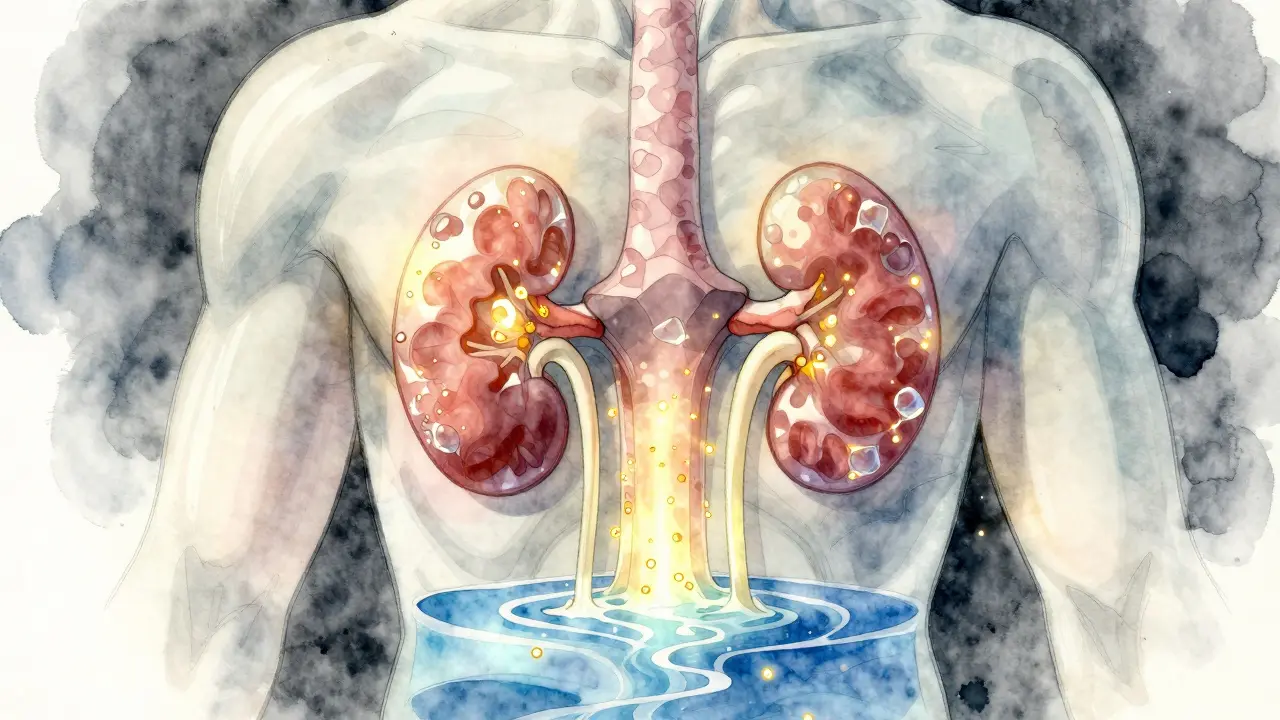
To prevent something, you first need to know what causes it. Traditional diabetes medications like metformin work differently, often improving how cells absorb sugar. SGLT2 inhibitors, on the other hand, target the kidney specifically. They block a transporter called Sodium-Glucose Cotransporter-2. Think of this transporter as a gatekeeper that tries to keep sugar inside your blood.
When you take this drug, you shut that gate. Sugar that would usually stay in your bloodstream ends up spilling into your urine instead. This condition is called glucosuria. For most patients, this is excellent news-it means lower blood sugar levels. But biology is opportunistic. Yeast fungi, particularly Candida albicans, the primary fungus responsible for most vaginal yeast infections and penile thrush, love sugar. When they find high concentrations of glucose in a warm, moist environment like the genital region, they multiply rapidly.
This biological reality explains the statistics. Studies indicate a roughly three-fold increase in genital mycotic infections (GMIs) for patients on these drugs compared to placebo groups. It is not just anecdotal; it is a direct consequence of the drug's unique mechanism of action. Understanding this link changes how you approach prevention. You aren't trying to stop the drug from working; you are just denying the fungus the fuel it needs.
The Hygiene Protocol: Step-by-Step Prevention
If you are starting an SGLT2 inhibitor, hygiene becomes part of your medication routine, just like taking the pill itself. Research published in the Annals of Pharmacotherapy suggests that targeted education on hygiene can reduce infection rates significantly. Here is exactly how to execute a prevention strategy effectively.
1. The Post-Void Rinse
The most critical moment is immediately after you urinate. During the day, your body deposits sugar into your urethra and onto surrounding tissues every time you void. A study involving structured hygiene protocols showed that rinsing the genital area with clean water after every void could reduce infection rates by 40%. Do not wait until bedtime to address this. Keep a bottle of water or a bidet handy near the toilet.
2. Washing Technique
Water is better than soap for this specific task. Harsh soaps strip natural oils and can alter pH levels, potentially making the skin more susceptible to irritation. Women should always wash from front to back to prevent moving bacteria from the anus toward the urethra or vagina. Men who are uncircumcised need to retract the foreskin gently to ensure the glans penis is cleaned, dried thoroughly, and replaced afterward.
3. The Drying Phase
Moisture fuels yeast almost as much as sugar does. After rinsing, gently pat the area dry with a clean towel dedicated solely to this purpose. Do not rub harshly. If you sweat heavily or swim, change into dry clothing immediately. Wearing wet swimsuits or damp workout gear creates a sauna-like environment perfect for yeast proliferation.
4. Clothing Choices
Switch to breathable fabrics. Synthetic underwear traps heat and moisture against the skin. Cotton underwear is far superior because it allows air circulation. Avoid tight-fitting pants, like skinny jeans or compression leggings, especially when at home. Tight clothing compresses the tissue and restricts airflow, increasing the temperature and humidity of the groin area.

The Role of Hydration in Prevention
We often think of water intake primarily for general health, but in the context of SGLT2 inhibitors, it serves a strategic chemical function. The more fluid you consume, the more diluted your urine becomes. Imagine two glasses of juice: one concentrated syrup and one mixed with water. Which one attracts pests faster? The concentrated syrup. High volume of water consumption lowers the concentration of glucose in the urine.
Clinicians generally recommend drinking approximately 2 to 3 liters of fluids daily for adults, depending on activity levels and weather conditions. By maintaining high hydration levels, you ensure that any glucose passing through your urethra is less potent. This makes the environment less hospitable for Candida species. Additionally, frequent urination resulting from higher fluid intake helps flush out the system regularly, preventing prolonged contact between sugary urine and sensitive mucous membranes.
Distinguishing Normal Irritation from Serious Threats
Most infections caused by SGLT2 therapy are mild to moderate. Approximately 85% to 90% of cases resolve quickly with standard antifungal treatments available over the counter or via prescription. Typical symptoms include redness, itching, burning, or a white discharge. However, we must address the rare but dangerous exception mentioned in FDA warnings: Fournier's gangrene.
This is a form of necrotizing fasciitis affecting the genital area. It progresses dangerously fast. Between March 2013 and May 2018, the FDA received 12 confirmed reports of this serious condition associated with these drugs. The incidence is extremely low-roughly 1.9 cases per 10,000 patient-years-but the consequences are fatal without intervention.
Know the Red Flags:
- Rapidly spreading pain that seems worse than visible symptoms suggest.
- Fever or chills accompanying local infection signs.
- Discoloration of the skin turning black or purple.
- Limp or bubbling sensation under the skin (crepitus).
If you experience these, do not wait for a primary care appointment. Go to the emergency room immediately. Time is tissue.
Risk Factors by Gender and Age
While anyone can develop a yeast infection, some demographics see higher numbers. Women are statistically more prone due to anatomical reasons. The distance between the urethra, vagina, and anus is shorter, facilitating bacterial transfer. Data suggests infection rates of 4% to 12% in women versus 2% to 5% in men taking these medications.
For men, circumcision status matters. Uncircumcised men retain more moisture in the preputial space (under the foreskin), creating a breeding ground for yeast. Proper retraction and cleaning are vital. Elderly patients often face challenges too, such as decreased mobility which makes changing clothes or reaching the bathroom difficult, leading to poor hygiene compliance. If you live with someone older taking these drugs, their caregiver should assist with bathing and drying.

Comparing Risks Across Medications
| Medication Class | Typical Infection Rate (Women) | Typical Infection Rate (Men) | Mechanism of Action |
|---|---|---|---|
| SGLT2 Inhibitors | 4% - 12% | 2% - 5% | Increases urinary glucose (Glucosuria) |
| DPP-4 Inhibitors | 1% - 2% | 1% - 2% | Enhances insulin secretion |
| Metformin | 1% - 1.5% | 1% - 1.5% | Reduces liver glucose production |
| GLP-1 Agonists | 1.5% - 2.5% | 1.5% - 2.5% | Slows stomach emptying & appetite |
Note that despite the higher infection rate, SGLT2 inhibitors offer unique organ protection benefits that other classes lack. The decision to stay on therapy usually involves weighing a manageable local infection risk against a significant reduction in heart failure hospitalizations.
Tips for Travel and Daily Life
Lifestyle changes play a role. Are you traveling? Bring travel-sized wipes specifically formulated for sensitive skin rather than scented baby wipes which can irritate. Do you go to the gym? Change your clothes immediately after exercise. Don't sit in sweaty leggings waiting for the shower. The longer the moisture sits, the higher the risk.
Some patients report that incorporating the rinse routine into their existing bathroom habits makes adherence easier. For example, treating the rinse as a mandatory step before flushing the toilet builds a habit loop. If you find yourself forgetting, set an alarm on your phone for morning and evening checks to ensure you have followed the protocol.
If infections recur despite perfect hygiene, talk to your doctor. Sometimes the dose needs adjustment, or perhaps a different drug within the same class has a slightly lower risk profile. Some newer research focuses on developing agents that minimize glucosuria while keeping the heart benefits, though most currently available options still carry this mechanism.
Frequently Asked Questions
Does this mean I should stop taking my SGLT2 inhibitor?
Not necessarily. For most patients, the cardiovascular and kidney benefits outweigh the risk of a yeast infection. If you develop an infection, you can treat it while continuing the medication, unless advised otherwise by your physician due to severity or frequency.
How long does a yeast infection last with these drugs?
With treatment, symptoms typically resolve within 3 to 5 days. Without treatment, symptoms can persist and worsen. Standard topical antifungals or oral fluconazole are effective treatments approved for recurrent cases.
Is douching recommended for women taking SGLT2s?
No. Douching disrupts the natural vaginal flora and protective barrier, making infections actually more likely. Stick to external cleansing with water and gentle drying.
What is Fournier's gangrene?
This is a rare, life-threatening bacterial infection of the soft tissue of the genitals and perineum. It requires immediate surgical debridement. Look for sudden severe pain, fever, and skin discoloration.
Can men get yeast infections?
Yes, although less common than in women. Men may experience balanitis (inflammation of the head of the penis). Keeping the area dry is crucial, especially for uncircumcised men.
Should I take probiotics?
Evidence is mixed, but maintaining gut and vaginal health with yogurt or probiotics containing Lactobacillus strains may support your natural defenses, though hygiene remains the primary defense.
Will switching brands help?
Since all SGLT2 inhibitors share the same mechanism of causing glucosuria, the risk exists across the board. However, dosage adjustments (lower doses often mean less glucosuria) may be discussed with your healthcare provider.
Is there a specific diet that helps?
Eating fewer refined sugars helps overall blood sugar control, but for preventing the specific genital side effects, the focus is on hydration and genital hygiene rather than total dietary sugar restriction alone.
Living with type 2 diabetes involves navigating many variables, and SGLT2 inhibitors offer one of the strongest shields for your organs available today. By accepting the reality of glucosuria and adapting your personal hygiene routine, you remove the fear factor. You can enjoy the heart and kidney protection these drugs provide without compromising your comfort.


