

Think of metabolic surgery is a group of gastrointestinal procedures designed to treat metabolic diseases, primarily type 2 diabetes and severe obesity, by altering the anatomy of the digestive tract. While many people call it bariatric surgery, the goal here isn't just to shrink the stomach for weight loss. It's about changing how your body handles insulin and glucose. The real shocker? For many patients, diabetes symptoms improve within days or even hours after surgery-long before the scale shows a major drop. This suggests the surgery does something much deeper than just removing fat.
Key Takeaways for Patients
- Surgery often beats intensive medical therapy for long-term diabetes remission.
- Different procedures offer different rates of success; for example, Gastric Bypass typically has higher remission rates than Sleeve Gastrectomy.
- Patients who don't use insulin before surgery generally see better results.
- While weight loss is significant, the "metabolic" part of the surgery helps reset blood sugar levels.
- Long-term success requires lifelong monitoring for nutrient deficiencies.
Does it Actually Work for Diabetes Remission?
If you're struggling to manage type 2 diabetes (T2DM) with medication and diet, the data is encouraging. In the well-known Swedish Obese Subjects (SOS) study, about 30.4% of patients were still in diabetes remission 15 years after surgery. Compare that to just 6.5% of people who only used medical therapy. That's a massive difference in long-term health.
But what does "remission" actually mean? It means your blood sugar levels are back in a healthy range without needing diabetes medication. Even if you don't hit full remission, partial improvement is still a win. According to research in the Annals of Surgery, many patients see a significant drop in their medication needs and a lower risk of microvascular disease-the kind that damages your kidneys and eyes-for every year they stay in remission.
Comparing the Most Common Procedures
Not all metabolic surgeries are the same. Some focus more on restriction (making the stomach smaller), while others focus on malabsorption (changing how your gut absorbs calories and hormones). Your choice often depends on your starting BMI and your diabetes history.
| Procedure | 1-Year Remission Rate | 5-Year Remission Rate | Primary Mechanism |
|---|---|---|---|
| Roux-en-Y Gastric Bypass | 42% | 29% | Restriction & Hormonal shift |
| Sleeve Gastrectomy | 37% | 23% | Restriction |
| Biliopancreatic Diversion | Very High (up to 95%) | Variable | High Malabsorption |
| Gastric Banding | ~56% (Short term) | Lower | Restriction only |
The Weight Loss Factor: More Than Just a Number
While the metabolic shift is the "magic" part, weight loss is still a huge driver of success. On average, surgery patients lose about 27.7% of their initial body weight, whereas those on medical therapy alone might see almost no change. For someone with a high BMI, losing 20% of their weight can drastically reduce the pressure on their joints and improve heart health.
Interestingly, the benefits aren't just for people with extreme obesity. Data shows that even patients with a BMI between 24 and 30 can experience high remission rates-up to 93% for gastric bypass in some cases. This is why some doctors are now considering metabolic surgery for people who have diabetes but aren't "obese" by traditional standards, as the hormonal reset is more important than the weight loss itself.
Why Does It Work? The Science of Gut Hormones
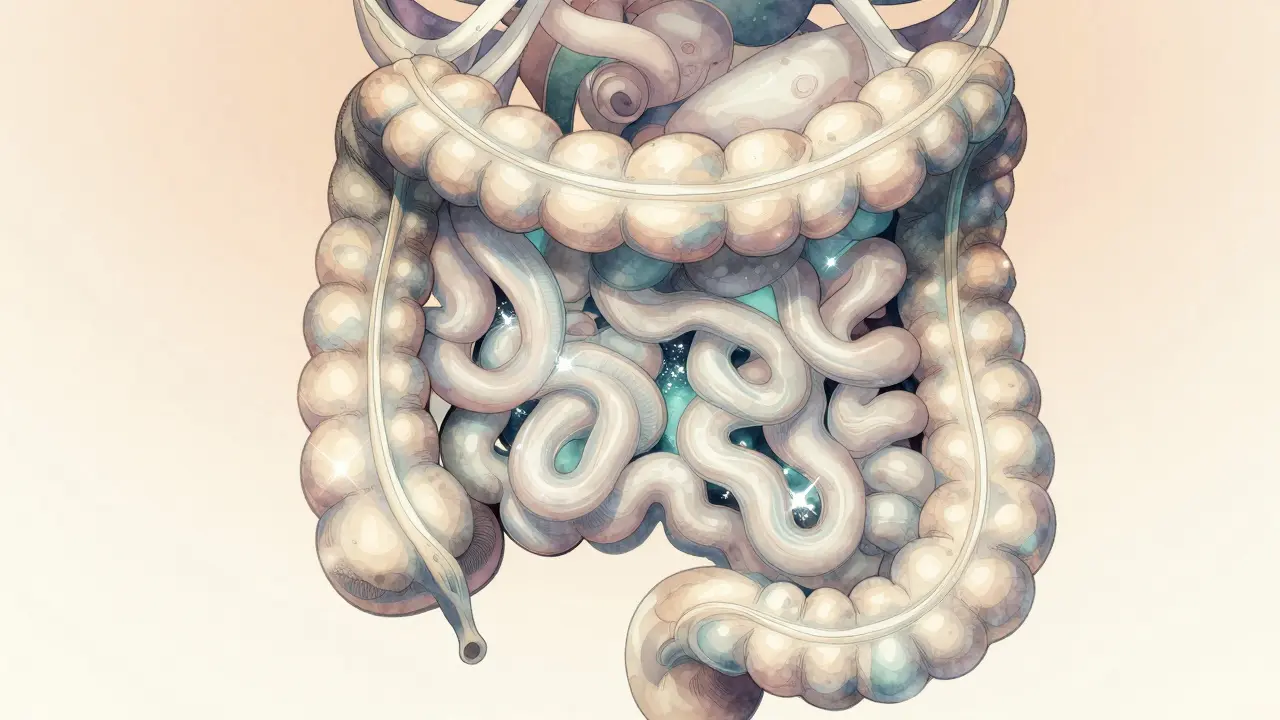
You might wonder how changing your stomach layout can fix a pancreas problem. It comes down to the enteroinsular axis. When you bypass a portion of the gut, your body changes how it produces hormones like GLP-1 and PYY. These hormones tell your pancreas to release more insulin and tell your brain you're full.
This is why the effect happens so fast. You don't have to lose 50 pounds to see your blood sugar drop; the surgery changes the chemical signals in your gut almost immediately. It's essentially a biological "hack" that forces your body to handle glucose more efficiently.

The Trade-offs: Risks and Long-term Maintenance
Surgery isn't a magic pill, and it comes with real risks. The most common issue isn't the surgery itself, but what happens afterward. Because you're absorbing fewer nutrients, you're at a much higher risk for anemia and other nutritional deficiencies. Some patients also face a higher risk of bone fractures over time.
There's also the reality of the "relapse." The SOS study showed that while 72% of people were in remission at two years, that number dropped to 36% by year ten. Weight regain and the natural progression of diabetes (where the beta-cells in the pancreas continue to wear out) can bring the disease back. This means surgery is a powerful tool in your toolkit, but it doesn't mean you can ignore your diet or skip your doctor's visits for the rest of your life.
Who Is a Good Candidate?
Doctors generally follow guidelines from the American Society for Metabolic and Bariatric Surgery (ASMBS). Typically, you're a candidate if:
- Your BMI is 40 or higher, regardless of age.
- Your BMI is between 35 and 39.9 and your diabetes isn't controlled by medicine.
- Your BMI is between 30 and 34.9, but your blood sugar is still dangerously high despite optimal treatment.
One of the biggest predictors of success is whether you're currently taking insulin. Patients who are insulin-naïve (meaning they don't need insulin shots yet) have significantly higher remission rates-around 53.8%-than those who have already become insulin-dependent. This suggests that getting the surgery earlier in your diabetes journey provides the best results.
Will I be cured of diabetes forever?
Not necessarily. While many achieve full remission, it can fade over a decade as beta-cell function declines or weight is regained. However, even if diabetes returns, most patients still maintain much better blood sugar control and use far fewer medications than they did before surgery.
How soon after surgery does blood sugar improve?
Surprisingly quickly. Many patients see significant drops in their glucose levels within days or weeks, often before they have lost a significant amount of weight. This is due to the immediate change in gut hormones.
Which procedure is best for diabetes?
Gastric bypass (Roux-en-Y) generally shows higher and more durable diabetes remission rates compared to sleeve gastrectomy. However, the "best" choice depends on your specific health needs, BMI, and surgical risk profile.
What are the main long-term risks?
The most frequent issues are nutritional deficiencies, particularly iron-deficiency anemia, and potential bone density loss. Lifelong vitamin supplementation and regular blood tests are required to manage these risks.
Can I have this surgery if my BMI is under 35?
Yes, in some cases. While traditional guidelines focused on higher BMIs, there is growing evidence and some insurance coverage for patients with a BMI of 30-34.9 if their diabetes is poorly controlled. Some clinical trials are even looking at BMIs as low as 27.